
Projects
Where Waste Becomes
the Power Nigeria Needs
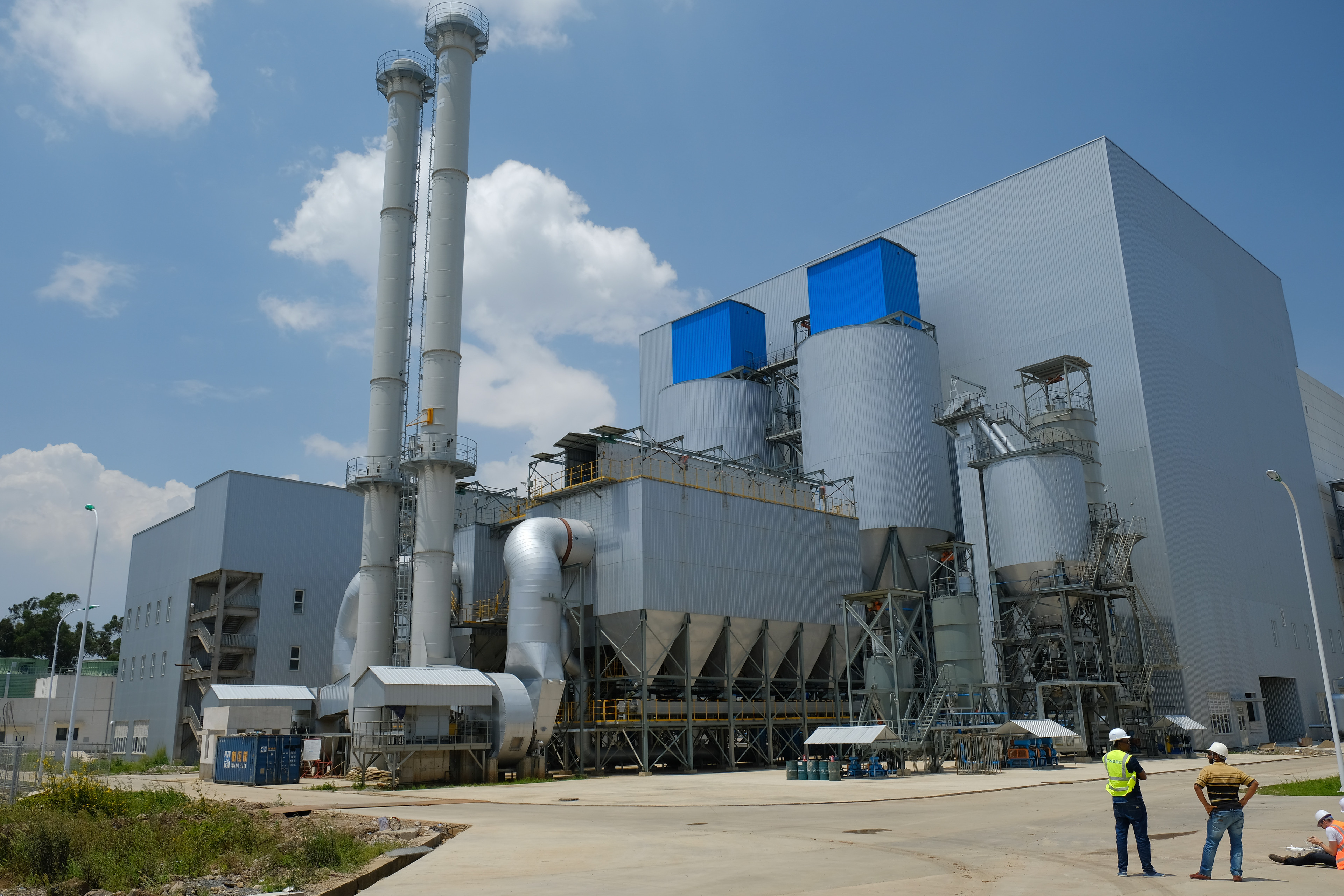
IRE is developing a 40 MW class waste-to-energy plant in Ibeju-Lekki, Lagos. It turns waste plastics and tires into oil, and uses the oil to make electricity for a local network.
Two Problems.
One Plan.
Lagos makes more waste than it can manage. Plastics and end-of-life tires pile up in open dumps, block drains and pollute waterways. Nigeria also has a power shortage that holds back industry and investment.
Plastics and tires also hold a lot of energy. Pyrolysis can turn them into fuel.
“Waste is a problem for Lagos. It can also be a fuel.”
International Reliance Energy & Allied Services Limited (IRE) is developing a waste-to-energy plant at Elerangbe, Ibeju-Lekki, in Lagos State. The plan aims at both problems: waste that is hard to manage, and power that is hard to get.
Pyrolysis-to-Power: How the Plant Works
At the heart of the plant is pyrolysis. Pyrolysis heats waste without oxygen. It breaks plastics and tires down into oil and gas instead of burning them.
The oil fuels nine gas turbine generators. Eight run and one is on standby. The gas heats the pyrolysis process and is kept as standby fuel.
Feedstock Intake
Waste plastics and end-of-life tires arrive from collection networks in Lagos. The plant is planned to take up to 480 tonnes a day at full capacity.
Pyrolysis
Up to 16 pyrolysis lines turn the waste into oil and gas. Each line handles 30 tonnes a day.
Oil and Gas
The oil is stored on site and used as the turbine fuel. The gas heats the pyrolysis process and is kept as standby fuel.
Power Generation
The nine gas turbine generators sit in an indoor plant room. The plant runs in island mode. It is designed to supply a local network in Ibeju-Lekki.

The Scale of the Plant
These are design figures for the full plant. Final figures will be set in engineering and licensing.
Where the Waste Will Come From
A waste-to-energy plant needs a steady supply of feedstock. IRE plans to collect waste plastics and end-of-life tires from sources across Lagos.
Supply agreements are still to be put in place.
Plastics
- Material recovery facilities
- Community collection networks
- Private aggregators
- Industrial estates
Waste Tires
- Transport and fleet garages
- Tire importers and dealers
- Scrap tire networks
- Municipal recovery
Where the Project Stands Today
The project is in the development stage. This section shows where it stands in October 2026.
Final output, design details and dates will be set through licensing and engineering. We will update this page as the project moves forward.
Progress So Far in 2026
These are the main steps taken since July 2026.
Legal Advisers Appointed
Legal advisers were appointed for the power generation licence application.
Licence Checklist Agreed
A working meeting with the legal advisers agreed the licence checklist.
Technical and Financing Talks
Technical talks were held with the pyrolysis technology provider. Talks started with an electrical equipment supplier and on financing. The search for an EPC contractor began.
Design Updated
The design now has up to 16 pyrolysis lines, island operation and an indoor plant room. ACW-SEDCI joined as technical partner.
Who Is Involved
IRE is working with legal advisers, a technical partner and the regulator to move the project forward.
Environmental Impact
- Up to about 175,000 tonnes of waste a year kept out of dumps at full capacity
- Less plastic and tire waste in open dumps and drains
- An environmental and social impact assessment before construction
- A health, safety and environment framework in development
Local Impact
- Jobs in operations and the supply chain
- Power for a local network in Ibeju-Lekki, subject to licensing
- Skills development for local staff
Talk to Us About a
Cleaner, Powered Nigeria
Partners, suppliers, waste collectors and government agencies can contact IRE to ask about the project.
contact@ire-internationalrelianceenergy.com
+234 813 290 0221 · +234 915 999 2098
VIDEO DEPICTING THE PYROLYSIS PROCESS FOR WASTE TYRES